
Choosing Between Heat Pumps and Gas Furnaces
As the seasons shift here in Sacramento, maintaining a comfortable indoor temperature without causing your energy bills to skyrocket is a top priority for most homeowners. If your aging heating and cooling system is starting to struggle, or you are simply tired of unpredictable energy costs, you might be wondering about your upgrade options. One of the most common questions we hear at Gold Standard Heating & Air is whether it makes more sense to stick with a traditional gas furnace or make the switch to a modern electric heat pump.
With recent changes in environmental regulations, new federal tax credits, and a strong push toward energy efficiency in California, the landscape of home comfort is rapidly changing. Deciding between these two systems involves weighing your initial investment against long-term savings, understanding your home's unique layout, and looking at how technological advancements can improve your daily life. Let us walk through the differences, benefits, and operational costs of both systems so you can make an informed decision for your family.

Understanding How a Heat Pump Works
One of the most frequent things homeowners ask us is what the actual difference is between a heat pump and a traditional furnace and AC setup. It all comes down to how the system manages heat. Rather than burning fuel to generate warmth, a heat pump uses electricity and refrigerant to move heat from one place to another. During the summer, it acts exactly like an air conditioner, pulling heat out of your home to keep you cool. But in the winter, it reverses the process, extracting available ambient heat from the outside air and bringing it indoors.
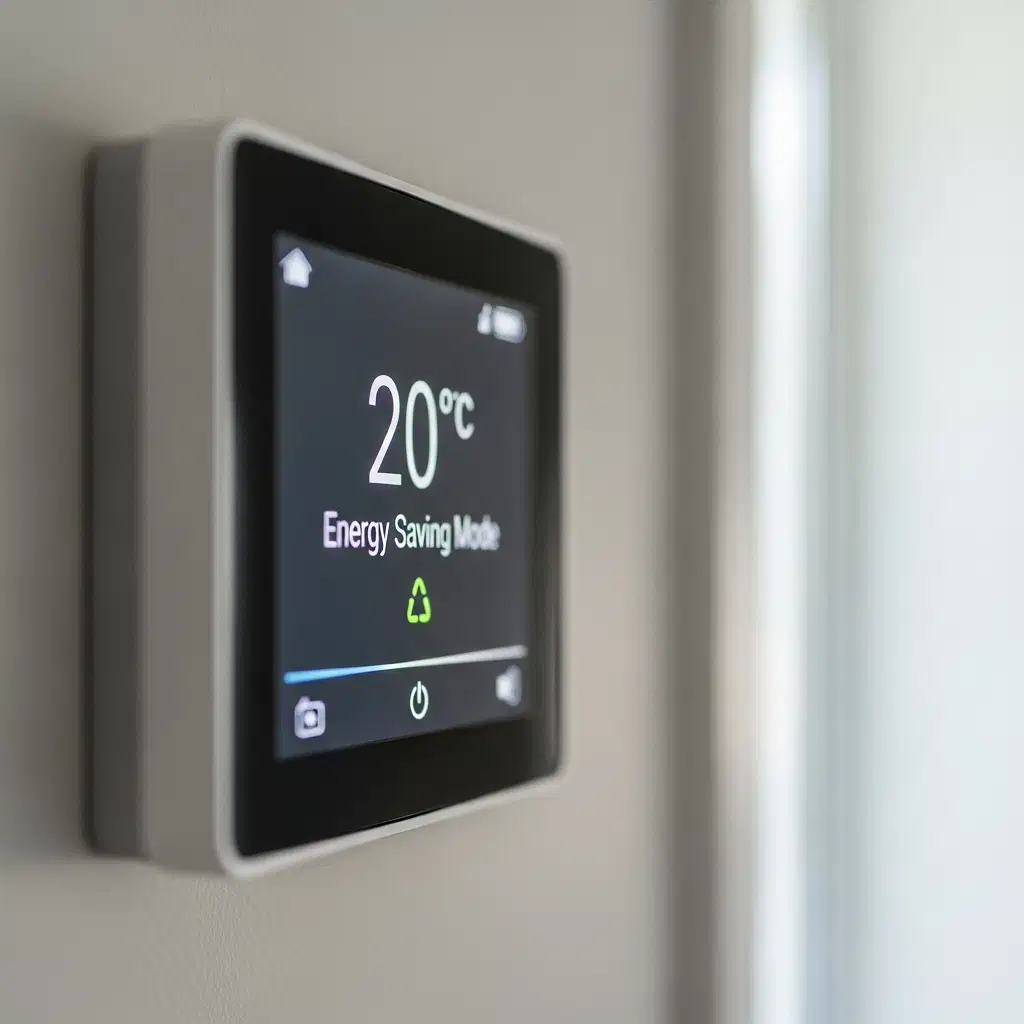
Because they simply transfer heat rather than creating it, modern heat pumps are incredibly energy efficient. In fact, converting from gas furnace to electric heat pump technology is one of the most effective ways to lower your heating and cooling bills over time. These systems are also highly compatible with smart home technology, allowing for precise temperature control and indoor air quality management. If you are considering an upgrade, learning more about an HVAC replacement (heat pump) can show you just how much a high-efficiency system can transform your home's comfort.
The Reliability of the Traditional Gas Furnace
Gas furnaces have been the dependable powerhouse of residential heating for decades. They work by burning natural gas to create heat, which is then forced through your home's ductwork by a blower motor. For homeowners who already have gas lines installed, replacing an old furnace with a newer, higher-efficiency gas model can be a straightforward process with a lower upfront equipment cost compared to a full heat pump conversion.
Furnaces are known for delivering very hot air quickly, which some people prefer on a chilly morning. However, they are strictly heating systems, meaning you will still need a separate air conditioning unit to handle the summer heat. Gas furnaces also require careful maintenance to ensure they operate safely and efficiently without risk of carbon monoxide leaks. Whether you decide to stick with gas or eventually transition to electric, scheduling an annual furnace tune-up is absolutely essential to prolonging the life of your equipment and keeping your family safe.
Comparing Heat Pump vs Furnace Operational Costs
When asking if a heat pump is better than a gas furnace, the answer often comes down to long-term financial and environmental goals. Gas furnaces typically have a lower initial installation cost, especially if you are just swapping out an old unit. However, they are subject to fluctuating natural gas prices, which can make your winter utility bills somewhat unpredictable.
Heat pumps usually require a larger upfront investment, but their operational costs are generally lower because they utilize electricity to move heat efficiently. Plus, there are significant financial incentives currently available to help offset that initial price tag. Thanks to the Inflation Reduction Act and local utility programs from providers like SMUD and PG&E, homeowners in NorCal can access substantial tax credits and rebates for upgrading to high-efficiency electric systems. These incentives make the transition to eco-friendly home comfort much more attainable for the average family budget.
Making the Right Choice for Your Home
Ultimately, the best system for your home depends on your current infrastructure, your budget, and your long-term energy goals. If you value a lower initial cost and prefer the fast, hot air of gas heating, a modern high-efficiency furnace paired with a reliable AC unit remains a fantastic option. However, if you want to maximize your energy savings, take advantage of substantial government rebates, and transition your home away from fossil fuels, a heat pump is undeniably the way of the future.
Navigating hvac quotes, understanding new environmental regulations like the phase-out of older refrigerants, and calculating potential utility rebates can feel overwhelming, but you do not have to do it alone. At Gold Standard Heating & Air, our licensed, certified technicians take pride in providing transparent pricing and expert guidance tailored to your specific needs. If you are ready to explore your options and find the perfect heating and cooling solution for your Sacramento home, reach out to us today for a consultation on our total home comfort upgrades. We are here to help you enjoy a perfectly comfortable home all year round.