Troubleshooting Why Your AC Blows Warm Air
When the Central Valley heat settles in for the summer, your air conditioning system transforms from a mere convenience into the absolute most important appliance in your home. There is nothing quite as panic-inducing as hearing your cooling system kick on, walking over to a vent, and feeling warm air blowing into your living room. While the evening Delta Breeze offers a lovely natural respite, it simply isn't enough to combat triple-digit afternoon temperatures in Sacramento. If you find yourself wondering why is my AC blowing warm air, you are certainly not alone. It is one of the most frequent calls we receive at Gold Standard Heating & Air. For new homeowners and long-time residents alike, a malfunctioning cooling system can feel incredibly overwhelming, especially when the indoor temperature starts climbing rapidly. Fortunately, understanding the common reasons central AC stops cooling can help you determine whether you are dealing with a simple fix you can handle yourself or a complex issue that requires professional diagnostic assistance. Let us walk through some essential troubleshooting steps to get your home back to a comfortable, safe temperature as quickly as possible.
Check the Simple Things First: Thermostats and Air Filters
Before assuming your entire HVAC system needs a costly overhaul, it is always best practice to check the most basic components first. Troubleshooting AC blowing room temperature air often starts right at the wall. Verify that your thermostat is officially set to the cool setting rather than heat or fan only. It sounds incredibly obvious, but a simple accidental bump as someone walks by can easily change the system settings. Additionally, if you have an older or non-hardwired smart thermostat and the screen is blank, you might simply need to install fresh batteries to restore communication with the main unit. If the thermostat appears to be working perfectly, it is time to move on to your indoor air filter. Our local Sactown climate, especially during the late summer wildfire season, introduces a massive amount of dust, ash, and airborne pollen into our homes. A deeply clogged air filter severely restricts the necessary airflow through your ductwork. When air cannot flow freely over the indoor evaporator coils, the system loses its ability to remove heat from your home effectively. Worse yet, this severely restricted airflow can cause the internal temperature of the unit to drop dramatically, leading to the classic signs of frozen AC evaporator coil. If you notice ice forming on the copper refrigerant lines near your indoor air handler, you must turn the system off immediately to let it thaw and check your filter. Keeping up with routine AC Maintenance and swapping out your high-efficiency filters regularly is your first line of defense against these unexpected summer breakdowns and soaring utility bills.

Complex Issues: Refrigerant Leaks and Electrical Component Failures
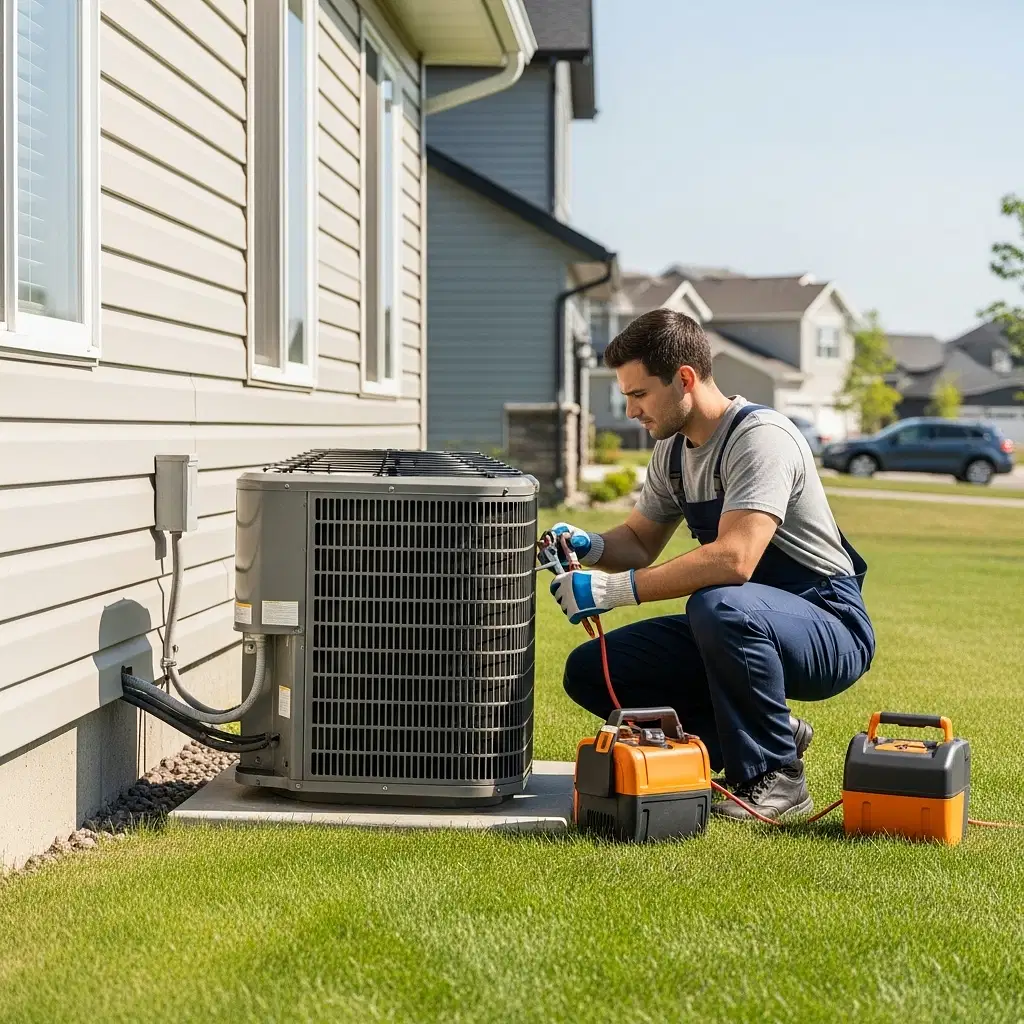
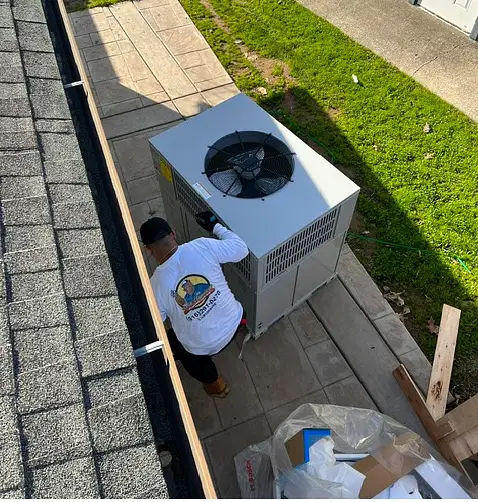
If your air filter is perfectly clean and the thermostat is set exactly where it should be, the issue likely requires a professional set of highly trained eyes. A major, underlying culprit for warm air coming from your vents is a refrigerant leak. Your air conditioner does not actually consume refrigerant over time; rather, it circulates it continuously in a closed loop to absorb heat from inside your house and release it outside. If the system is low on this crucial fluid, it means there is a physical leak somewhere in the copper lines or coils. This scenario not only results in warm air blowing continuously but also forces your outdoor compressor to work overtime, which can easily lead to a catastrophic mechanical failure. With the entire HVAC industry transitioning to new low-GWP refrigerants in the coming years to meet strict environmental standards, having an EPA-certified technician accurately locate and permanently repair these leaks is more important than ever. Another very frequent issue involves the high-voltage electrical components that power the heavy outdoor condenser. The capacitor, which acts like a massive energy storage battery to jump-start the compressor and fan motors upon startup, can easily fail due to natural age or the extreme heat radiating off the pavement during the peak of summer. If the indoor fan is running normally but the outdoor unit is completely silent or emitting a low, struggling buzzing noise, a failed capacitor or blown fuse might be the root cause. Because these specific components store lethal amounts of electricity even when the power is turned off, inspecting and replacing them is strictly a job for licensed professionals. When these complex electrical or pressure issues arise, our dedicated team is completely ready to step in and solve the problem with our comprehensive AC Repair Services.