Why Your HVAC System Keeps Short Cycling
There is nothing quite as frustrating as trying to keep your home comfortable, only to realize your heating or cooling system has a mind of its own. If you have noticed your air conditioner turning on and off rapidly, or your furnace kicking on for just a few minutes before shutting down again, you are experiencing a common issue known as short cycling.
In the heart of Sacramento, where our summers bring triple-digit heat and our winters demand reliable heating, a short-cycling system is more than just an annoyance. It is a massive drain on your energy bills and a clear cry for help from your equipment. Short cycling prevents your system from completing a full heating or cooling cycle, meaning your home never quite reaches that comfortable temperature you set on the thermostat.
When homeowners ask us, "why is my HVAC system short cycling?" the answer usually comes down to a few specific underlying issues. Some are simple fixes you can handle yourself, while others require professional diagnostics to prevent permanent damage to the unit. In this guide, we will break down the top causes of HVAC short cycling, how it impacts your wallet, and what you can do to restore your home's comfort.
Understanding the Causes of HVAC Short Cycling
To figure out how to solve the problem, we first need to look at what throws your system's rhythm off in the first place. Whether you are dealing with a modern heat pump or a traditional setup, the causes of HVAC short cycling generally fall into a few distinct categories.
1. Clogged or Dirty Air Filters
One of the most frequent questions we get from homeowners is about how often they should replace their home's air filters. The standard recommendation is every 30 to 90 days, but if you have pets or there is poor outdoor air quality, you might need to change them more frequently.
When an air filter becomes completely clogged with dust, pet dander, and debris, it restricts the airflow into your system. In the summer, this causes the evaporator coil to freeze over, triggering the system to shut down prematurely to protect itself. In the winter, restricted airflow traps heat inside the furnace, causing the heat exchanger to overheat and trip the high-limit safety switch. Replacing a dirty filter is often the easiest and most cost-effective way to stop furnace short cycling and get your AC back on track.
2. Refrigerant Leaks
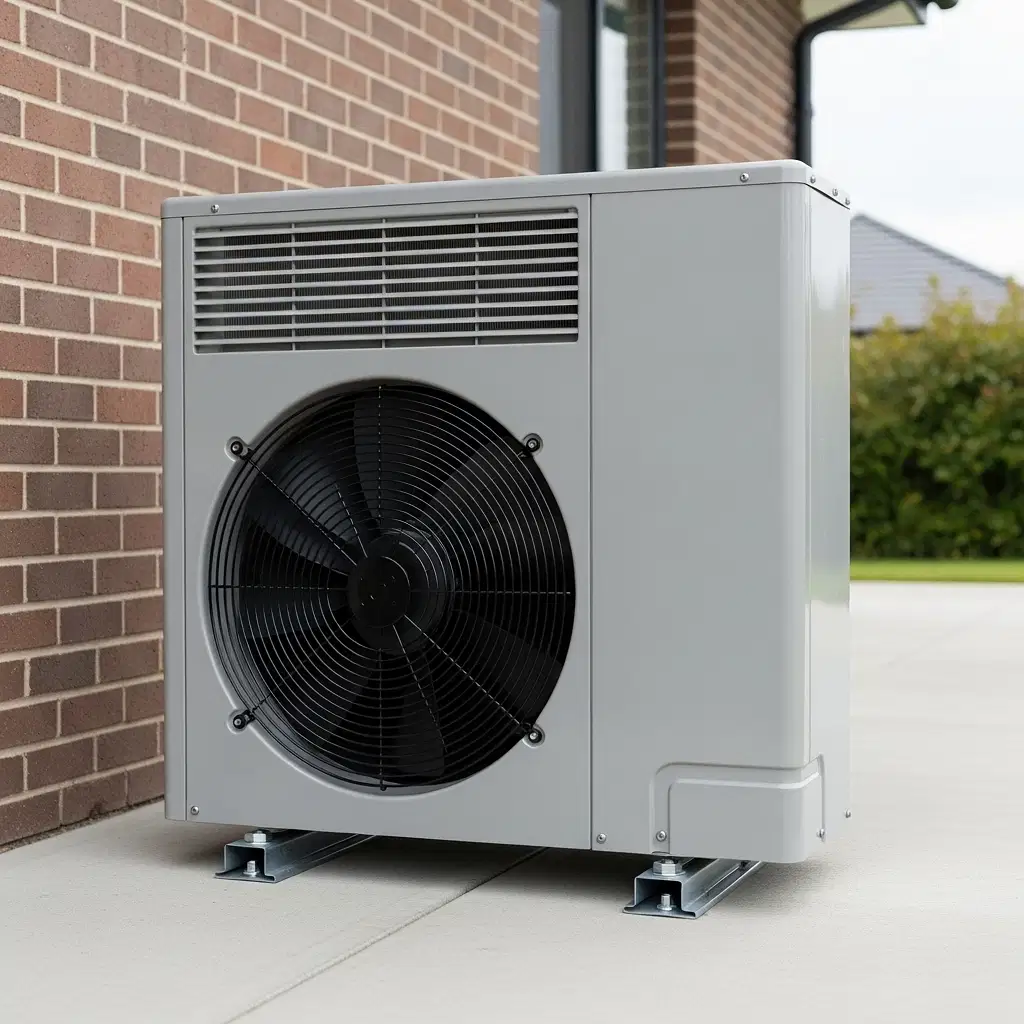
If you find your air conditioner running but not cooling the house, and it keeps shutting off after a short burst, low refrigerant is a prime suspect. Air conditioners and heat pumps rely on a specific charge of refrigerant to move heat in and out of your home. If there is a leak, the pressure inside the system drops.
Low pressure can cause the evaporator coils to freeze, leading to the same protective shutdown mentioned earlier. It is important to note that HVAC systems do not "consume" refrigerant. If your levels are low, there is a leak that needs to be properly sealed and recharged by a certified technician. This is a common scenario where reaching out for professional AC repair services is necessary to ensure your system meets current environmental regulations, especially with the ongoing phase-out of older refrigerants like R-410A.
3. An Oversized HVAC Unit
When it comes to heating and cooling equipment, bigger is not always better. Homeowners often ask what size HVAC unit their house needs, assuming a larger unit will cool or heat the house faster. While an oversized unit will indeed blast your home with conditioned air quickly, it will shut off before it has the chance to properly dehumidify the air or complete a full cycle.
This rapid temperature drop satisfies the thermostat too quickly, leading to constant on-and-off cycling. Unfortunately, if an oversized system is the root cause of your short cycling, the only true permanent fix is replacing the unit with a properly sized system tailored to your home's square footage, insulation, and layout.
4. Thermostat Issues and Placement
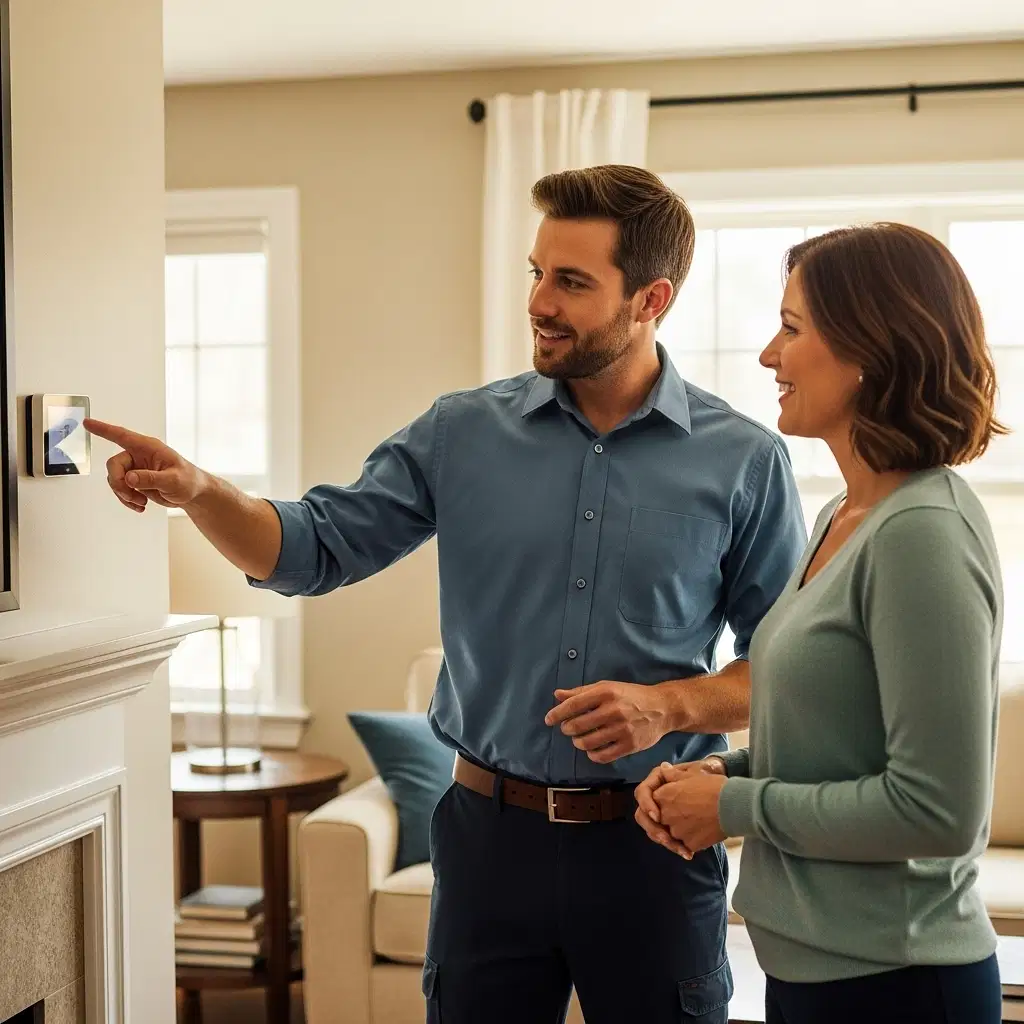
Sometimes, the equipment itself is working perfectly, but the "brain" of the operation is confused. If your thermostat is located near a heat source like a sunny window, a hot oven, or a direct air vent, it will misread the actual temperature of your home. The thermostat will think the house has reached the target temperature and shut the system down prematurely.
Additionally, older thermostats or those with failing batteries can send erratic signals to your control board. Upgrading to a smart thermostat not only resolves many of these communication issues but also opens the door to better energy management and remote diagnostics.
The Hidden Costs of Ignoring the Problem
It can be tempting to ignore short cycling if your home is still relatively comfortable, but doing so is a fast track to costly consequences. Every time your system starts up, it draws a massive surge of electricity. When it turns on and off constantly, that electrical draw multiplies, leading to heavily inflated utility bills.
Furthermore, short cycling puts immense wear and tear on vital components, particularly the compressor. Homeowners often wonder how long a typical HVAC system lasts. A well-maintained system should comfortably give you 10 to 15 years, sometimes more. However, a system that spends its life short cycling can see that lifespan cut in half due to premature motor and compressor failure.
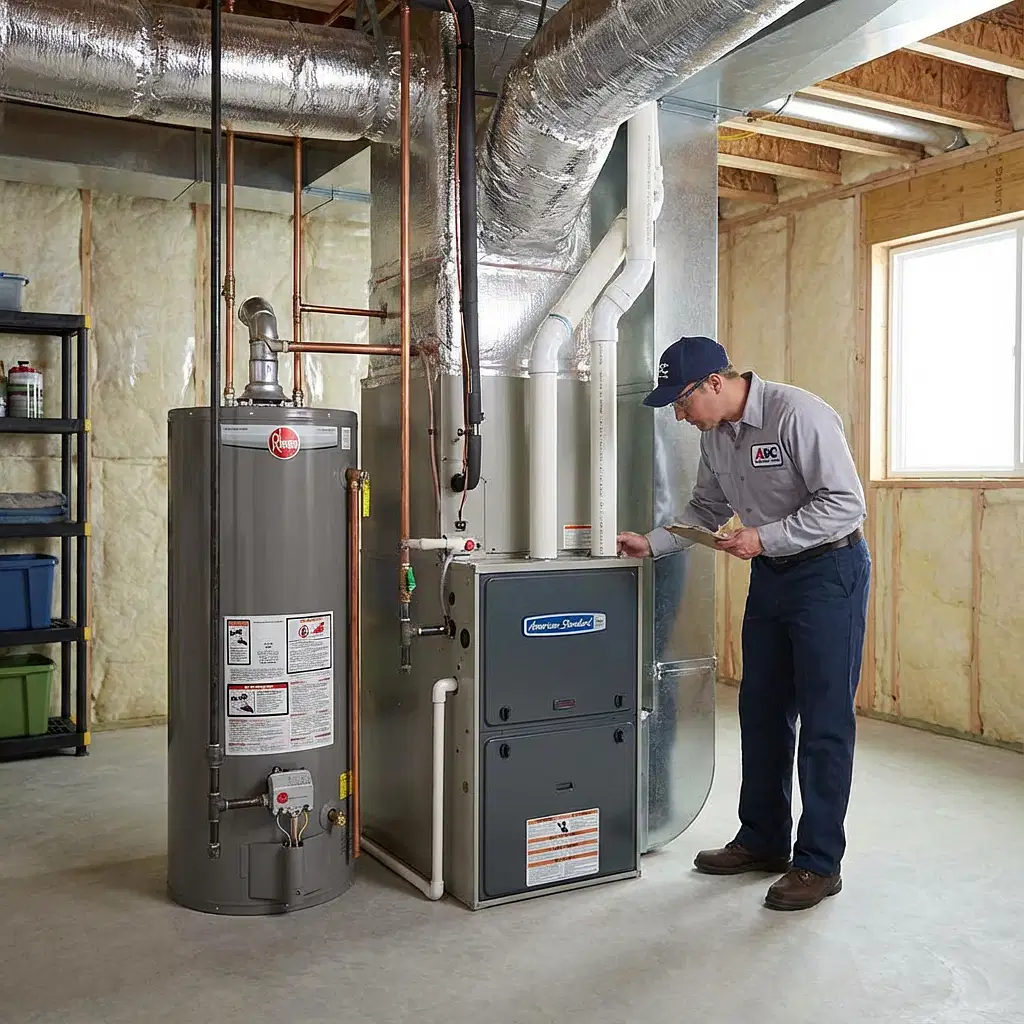
Proactive maintenance is the best defense against these unexpected breakdowns. Having a professional perform a comprehensive furnace tune-up in the fall or an AC inspection in the spring ensures that small issues, like a failing capacitor or a dirty flame sensor, are caught before they lead to erratic system behavior. Regular maintenance also keeps your manufacturer warranties valid and helps you avoid the stress of an emergency breakdown during peak seasons.
How Gold Standard Heating & Air Can Help
When your system starts acting up during a blistering NorCal heatwave or a chilly winter night, you need a team you can rely on. At Gold Standard Heating & Air, we understand the panic that sets in when your AC or furnace isn't working correctly. When you call us, our goal is to schedule a diagnostic visit within one to two days, and we very often aim for same-day repairs.
Our NATE-certified technicians will arrive promptly, treat your home with respect, and perform a thorough diagnostic to uncover exactly why your system is short cycling. We pride ourselves on transparent pricing and providing you with a clear, upfront quote before any work begins. If your older system is struggling due to being oversized or severely worn down, we will walk you through your options for a total home comfort upgrade.
We stay up-to-date on all the latest high-efficiency heat pumps and smart home integrations to ensure your investment is future-proof. Plus, we can help you navigate local utility rebates and offer flexible financing options to make upgrading as stress-free as possible.
Don't let a struggling system inflate your energy bills or compromise your comfort. If you need reliable residential HVAC services in the Sacramento area, reach out to Gold Standard Heating & Air today. Let us help you restore peace, quiet, and consistent comfort to your home.